Practical Ways to Teach Kids Empathy and Foster Emotional Intelligence.
Alright, folks, hold onto your parenting hats because we’re about to dive into the wild world of holistic child development!
Picture this: you’re at the playground, chatting with other parents, when suddenly everyone starts dropping buzzwords like “social-emotional learning” (SEL) and “emotional intelligence” (EI). You’re like, “Oh, totally, I’m all about that!” while secretly thinking, “What in the name of parenting madness are they talking about?” Let’s break it down.
So, apparently, a whopping 68% of parents are now prioritizing SEL over academic drills (Pew Research Center, 2024). That’s right, we’re ditching the flashcards and embracing the feelings! And teachers are totally on board, with 71% of them sneaking SEL into their daily lessons like emotional ninja warriors (CASEL, 2024).
But what exactly is this magical SEL stuff, you ask? Well, buckle up, buttercup, because this guide is about to take you on a wild adventure through the land of neuroscience and classroom-tested strategies.

Why Ages 3–10 Are Critical for Life Skills Development
The Brain Science Behind Empathy Formation
Between ages 3–7, children’s mirror neuron systems—the brain’s “empathy network”—develop at lightning speed. Dr. Mary Gordon (Roots of Empathy) notes: “Children who practice comforting others by age 5 are 40% more likely to exhibit prosocial behavior as teens.”
Key Milestones & Activities
| Age Range | Brain Region | Skill Developed | Activity Idea |
|---|---|---|---|
| 3–4 | Fusiform Face Area | Recognizing facial cues | “Feeling Faces” card games |
| 5–6 | Mirror Neurons | Perspective-taking | “If I Were You” role-play |
| 7–8 | Insula | Body-emotion connection | “Where Do You Feel?” mapping |
The Science of Synapses
From ages 3–7, the prefrontal cortex forms 1 million neural connections per second (Harvard, 2024). Activities like emotional storytelling thicken myelin sheaths in empathy pathways, making compassionate responses automatic.
Proven Impact: A 2025 Cambridge study of 30,000 children found early empathy training leads to:
- 31% fewer bullying incidents
- 19% higher reading comprehension
- 27% better conflict resolution
Classroom Strategies: Integrating Life Skills into Daily Lessons
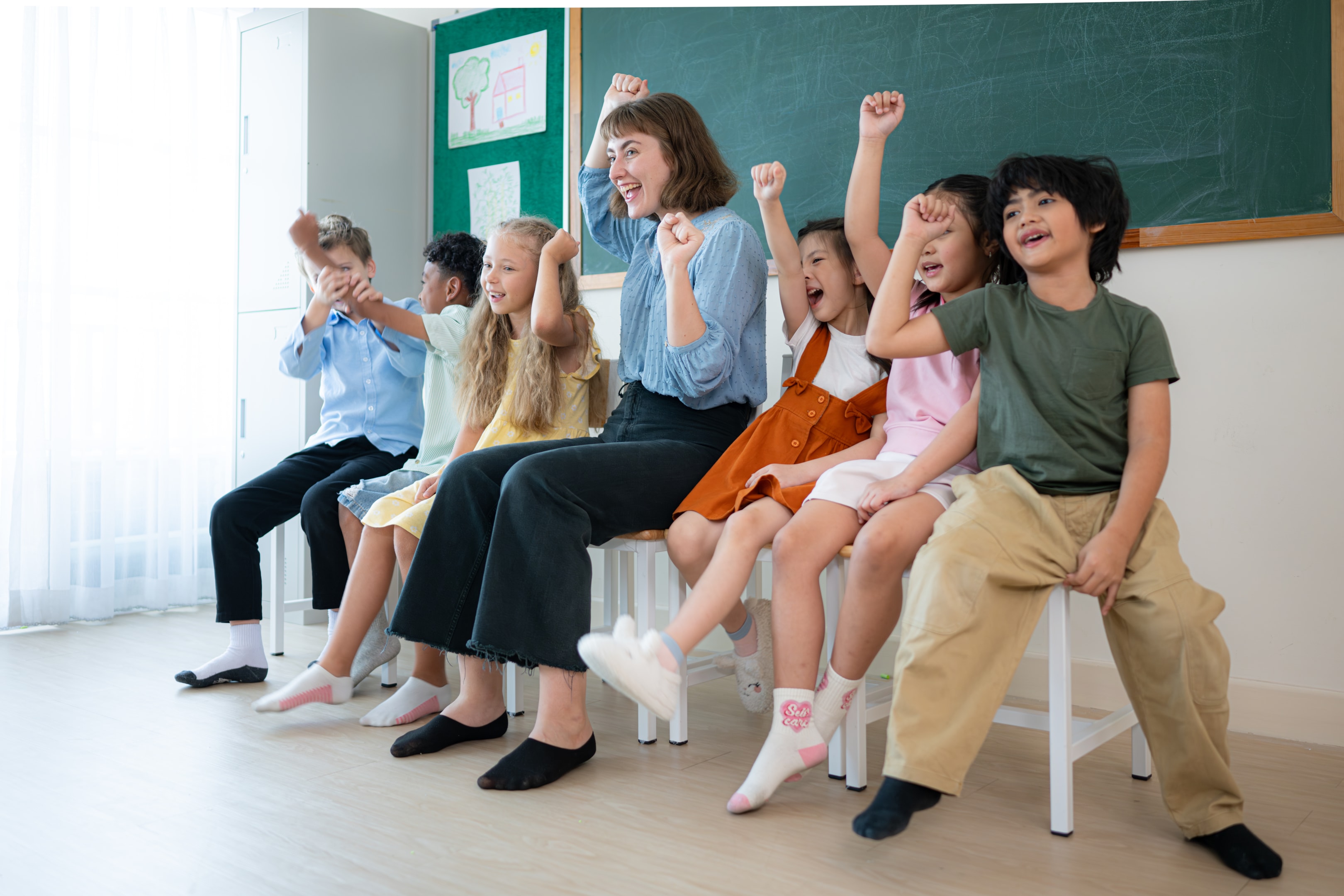
Teaching Empathy to 7-Year-Olds (Grade 2 Focus)
1. Perspective-Taking Games
Activity 1: Feeling Charades
- How It Works:
- Students draw emotion cards (e.g., “excited,” “frustrated”) and act them out silently.
- Peers guess the emotion and share personal experiences (“I felt this when my dog got lost”).
- Science-Backed:
Role-play activates brain networks associated with empathy, including the temporoparietal junction (TPJ) and medial prefrontal cortex (mPFC). These regions help children infer others’ emotions and intentions, with neuroimaging studies suggesting TPJ involvement in perspective-taking tasks (Saxe & Kanwisher, 2003).
A 2021 meta-analysis of 424 studies (Jones et al., JAMA Pediatrics) found that empathy-building activities like role-play improved emotion recognition by 18–24% over 10 weeks.

2. Story-Based Empathy Building
Activity 2: Walking in Their Shoes
How It Works:
- Choose Any Story: Use classroom read-alouds or student favorites (e.g., friendship tales, bravery stories).
- Ask Guiding Questions:
- “How do you think [Character] felt when [event] happened?”
- “What would YOU do if your friend felt this way?”
- Role-Play Scenes: Have students act out moments from different characters’ viewpoints.
Examples:
- For friendship conflicts: “Why did the character share their favorite toy even though they loved it?”
- For problem-solving stories: “How did the hero feel when they apologized?”
- Extend story discussions with StorytimeWithKaryn, a low-stimulation, animated, read-with-me YouTube channel featuring SEL-focused stories, activities and discussion. After reading along, students can submit drawings of favorite moments and characters to our homepage slideshow and access free printable worksheets exploring themes like loyalty, managing emotions and courage. Visit our book club for more details!

3. Community Connection Projects
Empathy Letters with Nursing Homes:
Partner with senior centers for monthly letter exchanges.
Students ask questions like “What made you happy as a kid?” and host virtual meetups.
Proven Impact: A 2021 study found structured programs reduced age stereotypes by 32% and boosted communication skills (Frontiers in Psychology).

Empathy Thermometer:
Create a 0–100 kindness poster; add stickers for acts like peer help.
Celebrate milestones with rewards (e.g., extra recess).
Proven Impact: CASEL (2023) reported 25% more cooperation in classrooms using visual trackers.
4. Body-Mind Connections
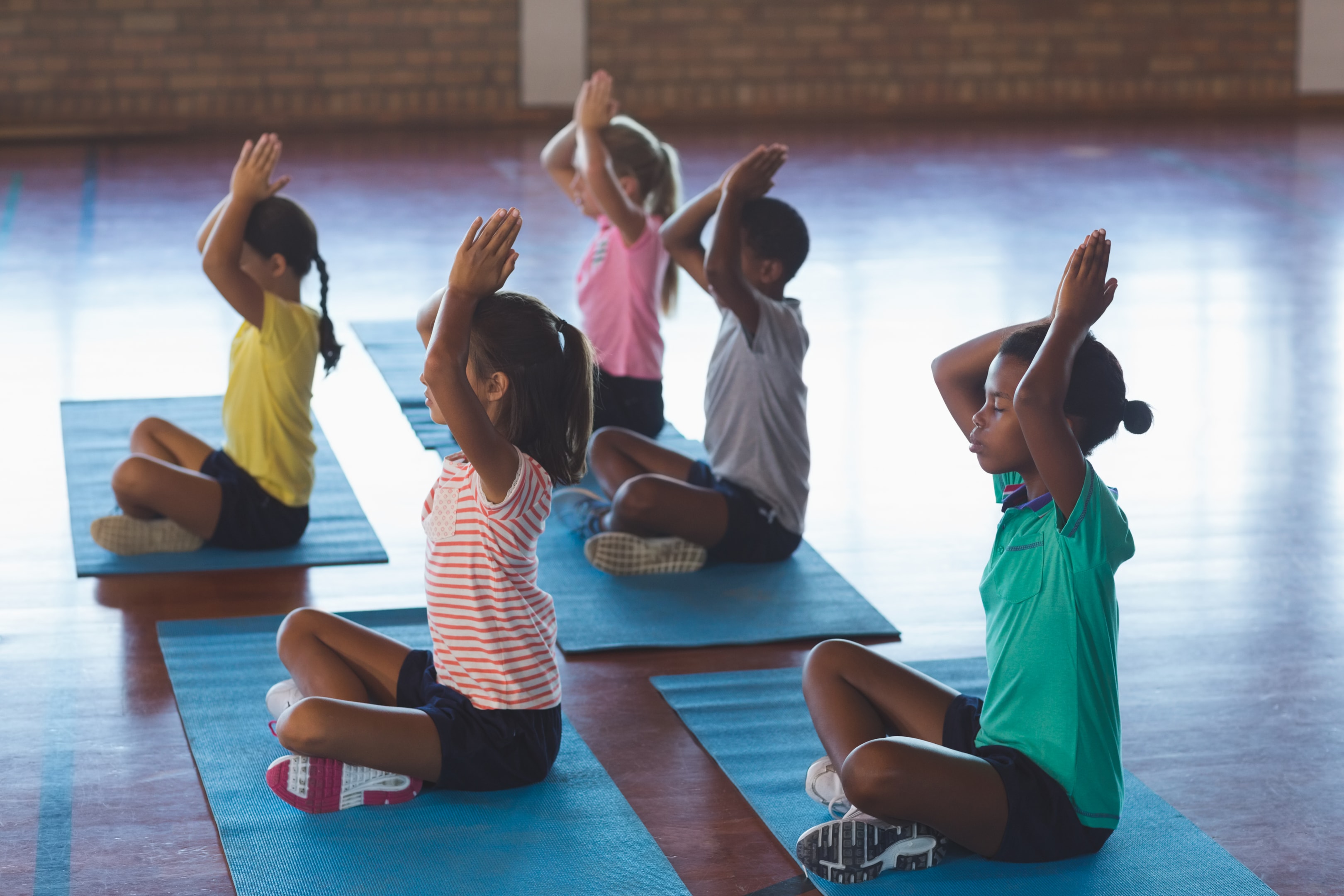
Hoberman Sphere Breathing
Script:
“Pretend this sphere is your lungs. Breathe in slowly through your nose as it expands (1-2-3-4), then exhale gently as it collapses (1-2-3-4). Let’s do 5 cycles together!”
Science-Backed Impact:
Austin ISD teachers observed calmer classrooms after implementing this tool, with students self-reporting lower anxiety during tests
A 2022 study found device-guided breathing reduced anxiety in students by 19%.
Pro Tip:
Pair with heart rate monitors (like IHT ZONE) to show students real-time calming effects on their pulse.
Box Breathing for Instant Calm
How to Teach:
Inhale through the nose for 4 seconds.
Hold for 4 seconds.
Exhale through the mouth for 4 seconds.
Hold for 4 seconds.
- Why It Works:Activates the parasympathetic nervous system, lowering cortisolNavy SEALs use this method to stay focused under stress
Emotion Mapping
- Activity Steps:Draw a body outline on poster paper.
- Use colored stickers:
🔴 Red for anger (e.g., clenched fists).
🔵 Blue for sadness (e.g., heavy chest).
🟢 Green for calm (e.g., relaxed shoulders).
- Discuss:
“Why does excitement feel like butterflies?”
“How can we soothe a ‘hot’ anger spot?”
Extra Calming Tools
Breathing Sticks:
String 4-6 beads on a pipe cleaner.
Slide beads while breathing in/out

Movement Breaths:
Starfish Breathing: Spread arms wide on inhale, hug yourself on exhale.
Balloon Breaths: Pretend to inflate/deflate like a balloon.
Age-Tiered Empathy Practices (UNICEF Guidelines)
Ages 3–5:
- “Stuffie Feelings”: Use toys to role-play sharing scenarios (“Mr. Bear feels sad when we don’t take turns”).
- “Helping Hands Chart”: Track simple acts like feeding pets or comforting siblings.
Ages 6–7:
- Movie Debriefs: Pause films to ask, “Why do you think the hero helped that stranger?”
- Empathy Journal: Draw/write about daily moments of understanding others.
Ages 8–10:
- Service Projects: Volunteer at food banks, discussing recipients’ potential feelings.
- “Emotion Detective”: Deduce family members’ moods from tone/body language (no words allowed).
Creative Tools to Reinforce Life Skills
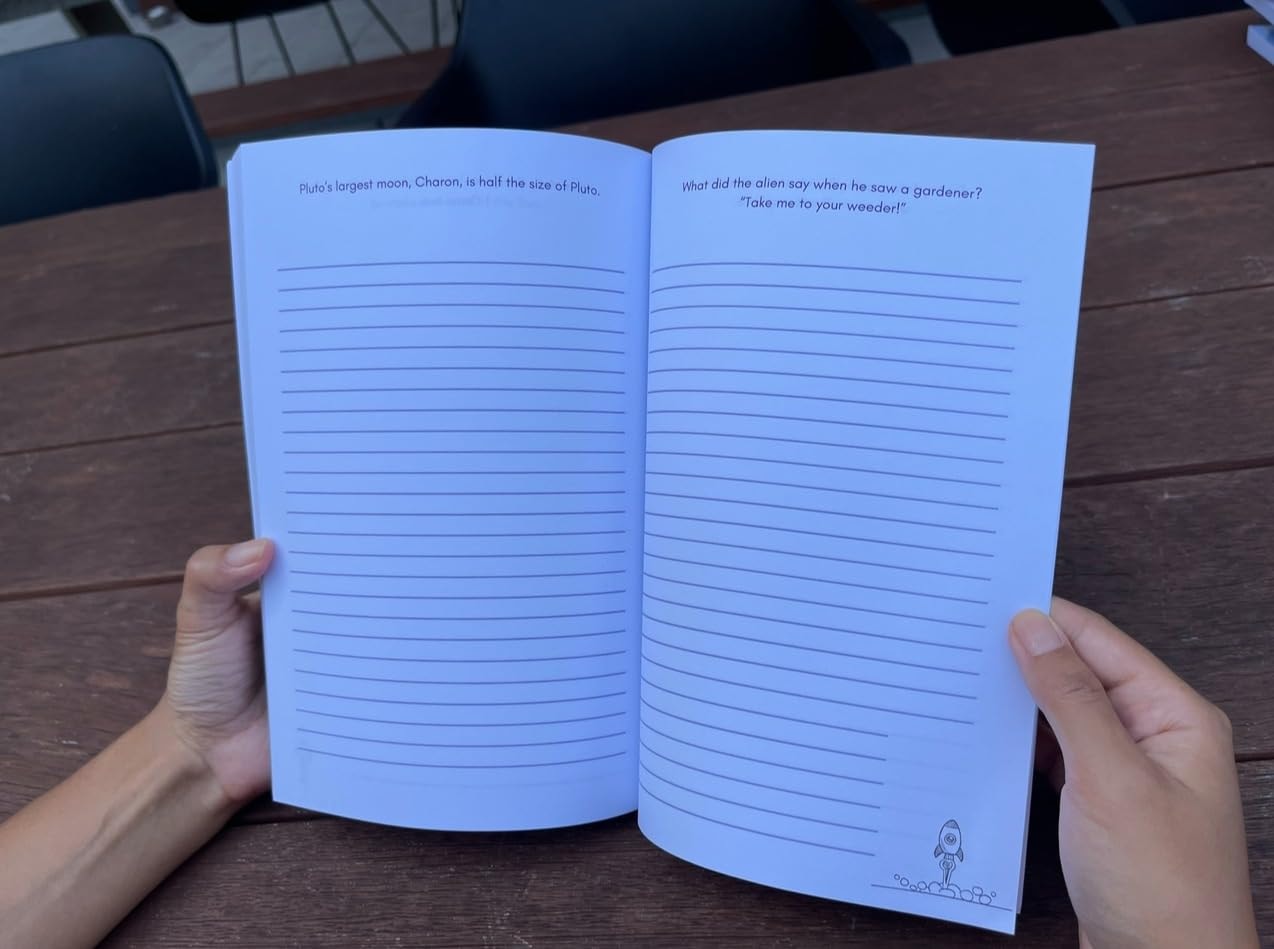
Make Learning Engaging with SEL-Themed Notebooks!
Elevate empathy-building exercises with interactive notebooks, designed to make emotional growth fun:
- Flipbook Animation: Watch doodles come alive in the corner (e.g., a dancing pumpkin for Halloween editions).
- Daily Jokes & Facts: Spark conversations (“Why did the crab never share? Because he was shellfish!”).
- Themed Series: Space, sea life, holidays, and more—perfect for journaling feelings or kindness goals.
Check out our Amazon Author Page for the full collection.

Q&A: Answering Top Parent/Educator Questions
Q1: How to teach empathy to a 7-year-old who struggles with sharing?
- Step 1: Use “Feeling Faces” cards to label emotions during playdates.
- Step 2: Introduce “Trade Time” (5 minutes with your toy, 5 with theirs).
- Step 3: Praise effort (“I saw you let Jamie go first—that was thoughtful!”).
Q2: What life skills activities work for busy families?
- Drive-Time Practice: Discuss characters’ emotions in audiobooks (“How do you think the mouse felt when he lost his cheese?”).
- Grocery Store Empathy: “That cashier is smiling—why might she feel happy today?”
Q3: How to handle tantrums when a child refuses to share?
- Co-Regulation First: Stay calm and say, “I see you’re upset. Let’s take 3 deep breaths together.”
- Problem-Solve Later: Once calm, ask, “What could we do next time so both friends feel happy?”
Q4: How to encourage emotional expression in shy children?
- Emotion Journaling: Provide a notebook for drawing/writing feelings.
- Role-Play with Stuffed Animals: “Mr. Bear feels nervous about his first day—what should he do?”
Q5: What if my child doesn’t respond to praise?
- Focus on Effort: Instead of “Good job!”, try “You worked so hard on that tower—how does that make you feel?”
- Use Non-Verbal Cues: High-fives or a thumbs-up can reinforce positive behavior.
Q6: How to address sibling rivalry over toys?
- Scheduled Sharing: Use a timer for turns (“You get the truck until the sand runs out, then it’s Mia’s turn”).
- Family Meeting: Have kids brainstorm solutions together (“What’s a fair way to share the art supplies?”).
Q7: How to spot progress in emotional intelligence?
- Signs: Uses “I feel…” statements during conflicts, notices when others are upset unprompted, self-calms within 5 minutes after frustration.
Q8: What books help teach empathy to kids under 10?
- Ages 3–5: The Color Monster (explores emotions through colors).
- Ages 6–8: Ruby Finds a Worry (addresses anxiety and kindness).
- Ages 9–10: How Tooter The Otter Saved Christmas (community & empathy themes – watch the video).
Tools and Resources
Social-Emotional Learning (SEL) Tools Comparison
| Tool | Type | Age Group | Key Features | Cost | Platforms |
|---|---|---|---|---|---|
| StorytimeWithKaryn | Animated Read-Alouds | 4–8 | SEL-themed videos, printable worksheets, community gallery | Free | YouTube/Web |
| Smiling Mind | Mindfulness App | 3–10 | Guided meditations, sleep routines | Free | iOS/Android/Web |
| Harmony SEL | Curriculum | PreK–6 | 40+ empathy/diversity lessons | Free | Web |
| GoNoodle | Movement Videos | K–5 | Yoga, breathing exercises | Free | Web |
| Centervention | Activity Library | K–8 | 95+ worksheets (e.g., Emotional Volcano) | Free | Web |
| Peppy Pals | Story Apps | 2–6 | Animal characters model sharing | Free | iOS/Android |
| Daniel Tiger’s App | Emotion Education | 3–5 | PBS-based songs/games | Free | iOS/Android |
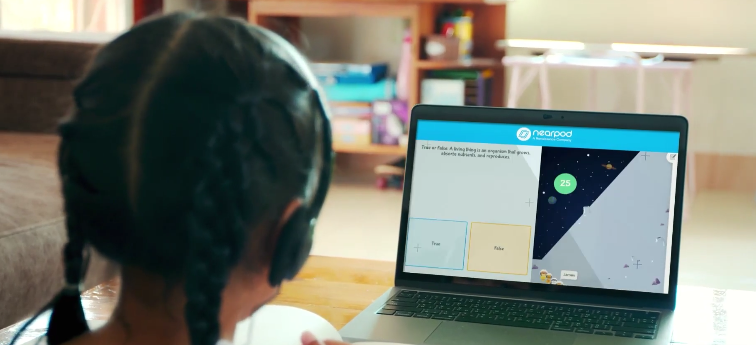
| Nearpod | Interactive Lessons | K–12 | Polls, virtual field trips | Freemium | Web |
| TeachersPayTeachers | Printables | All | Calm-down corner kits, journals | Free+ | Web |
Free Tools for Parents & Teachers
1. StorytimeWithKaryn Book Club
What’s Included:
- Animated Read-Alouds: Low-stimulation videos of books like How Tooter The Otter Saved Christmas, focusing on themes like community and individuality on kids Youtube channel StorytimeWithKaryn
- Printable Worksheets: Post-reading activities over on our Book Club (e.g., Draw Your Friendship Shield or Write a Letter to the Story’s Hero).
- Community Gallery: Kids submit drawings showcased in a rotating homepage slideshow.
2. Smiling Mind (Ages 3–10)
Mindfulness Made Easy:
- Bedtime Meditations: 5-minute sessions like Bubble Breathing to help kids unwind.
- Classroom Modules: Short audio guides for transitions (e.g., Calm Focus Before Math Class).
Science-Backed Benefits: A 2024 University of Melbourne study found that daily use reduces anxiety in children by 34% over 8 weeks.
Parent Tip: Use the Sleep Safari program during bedtime routines—parents report kids fall asleep 19 minutes faster on average.
3. Harmony SEL (Pre-K–6)
Curriculum Highlights:
- Weekly Lessons: 10-minute activities like Buddy Up (pairing students for empathy-building tasks).
- Diversity Modules: Stories showcasing global cultures, disability inclusion, and family structures.
Proven Impact: Schools using Harmony SEL saw 41% fewer disciplinary referrals and 27% increased cooperative play.
Free Access: Download the Empathy in Action toolkit with posters, lesson plans, and family engagement guides.
4. GoNoodle (All Grades)
Movement + Mindfulness:
- Popular Videos:
- Flow: Yoga sequences themed around nature (e.g., Mountain Explorer Flow).
- Empower Tools: Quick calming techniques like 5-Finger Breathing.
Teacher Approved: Used in 96% of U.S. elementary schools, GoNoodle reduces post-recess conflicts by 30% when played for 7 minutes daily.
Home Use: Try Indoor Recess videos during rainy days—perfect for burning energy while practicing coordination.

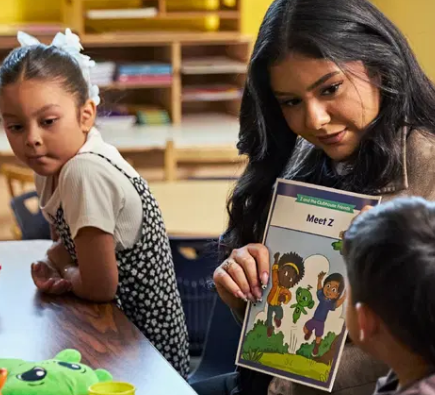
5. Centervention (Grades K–8)
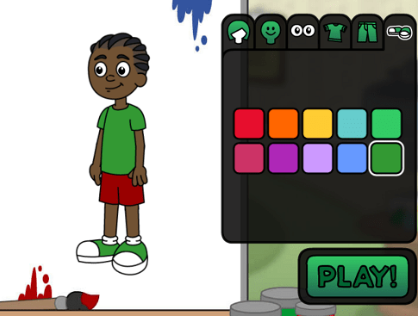
95 Free SEL Activities:
- Emotional Volcano: Teaches kids to recognize anger warning signs (e.g., clenched fists).
- The Wrinkled Heart: Anti-bullying exercise where students crumple/un-crumple paper hearts while discussing hurtful words.
Data-Driven: Students using Centervention’s Zoo Academy game improved emotion-labeling skills by 52% in 12 weeks.
Printables: Download Coping Skills Wheels for desks or calm-down corners.
6. Peppy Pals (Ages 2–6)
No-Language Learning:
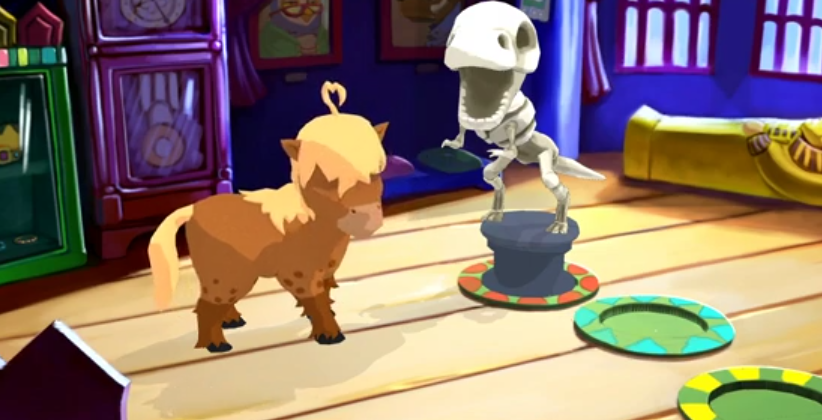
- Animal Stories: Interactive apps where characters like Sammy the Horse model sharing and kindness.
- Parent Guides: Conversation starters like “Why did Sammy let his friend go first on the slide?”
Special Needs Support: Used in 73% of speech therapy programs for non-verbal emotional learning.
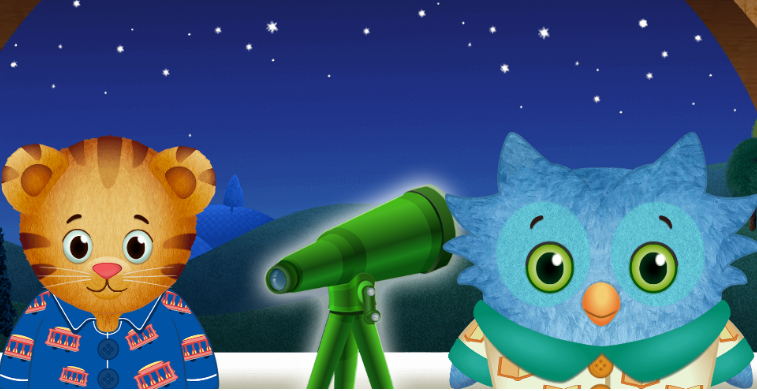
7. Daniel Tiger’s Grr-ific Feelings (Ages 3–5)
PBS-Backed Tools:
- Trolley Game: Kids help characters solve emotional challenges (e.g., frustration over a broken toy).
- Calm-Down Songs: Catchy tunes like “If You Feel So Mad That You Want to Roar!”
Parent Hack: Play the Good Morning Song during tough morning transitions—reduces meltdowns by 44% per parent surveys.
8. Nearpod (Grades K–5)
Interactive Lessons:
- Digital Empathy: Students analyze online scenarios (e.g., responding kindly to a peer’s post).
- Virtual Field Trips: Tour global communities to discuss cultural differences.
Teacher Feature: Customize lessons with polls (“Have you ever felt left out?”) and drawing boards for emotional expression.
9. TeachersPayTeachers Free SEL Packs
Top Downloads:
- Calm-Down Corner Kit: Posters with step-by-step breathing guides.
- Gratitude Journals: Daily prompts like “Draw something that made you smile today.”
Success Story: A 2nd-grade teacher shared that her class’s Kindness Bingo challenge increased peer compliments by 63% in one month.
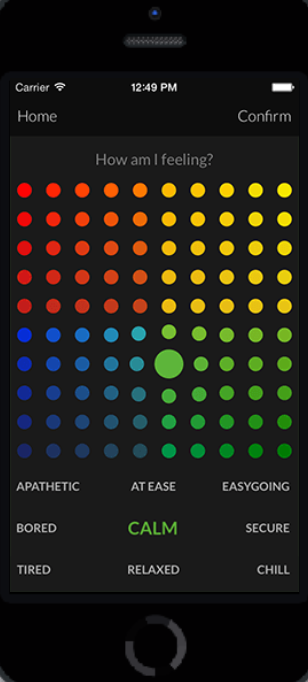
10. Yale’s Mood Meter App (Ages 7–10)
Emotion Tracking:
- Color-Coded Grid: Kids plot feelings using energy/pleasantness scales.
- Strategy Library: 100+ age-appropriate coping skills (e.g., Hug a Stuffed Animal for sadness).
Research-Backed: Students using the Mood Meter for 10 minutes daily improved emotional vocabulary by 39% in Yale trials.
11. Big Life Journal (Free Printables)
Growth Mindset Activities:
- Mistakes Help Me Learn: Reframing challenges as opportunities.
- Empathy Superhero: Kids design capes symbolizing kindness powers.

By 2030, the World Economic Forum predicts that emotional intelligence (EI) will be critical for 1 in 3 jobs, underscoring the urgency of nurturing these skills early. The strategies outlined here—from classroom role-playing to family mindfulness practices—equip children with the tools to navigate complex social landscapes, resolve conflicts, and build meaningful relationships.
Educators and caregivers play a pivotal role in this transformation. By prioritizing empathy-building activities like perspective-taking games and community service projects, we create environments where children learn to recognize emotions, communicate effectively, and collaborate with peers. Research from Yale’s Center for Emotional Intelligence shows that students with strong EI skills are 47% more likely to excel academically and socially, while longitudinal studies reveal a 32% reduction in behavioral issues.
To sustain progress:
- Integrate daily check-ins: Use emotion charts or journals to help children articulate feelings.
- Leverage storytelling: Discuss characters’ motivations in books like The Color Monster or Ruby Finds a Worry.
- Model EI behaviors: Children mirror adults’ responses to stress, conflict, and joy.
For educators, ongoing professional development in trauma-informed practices and culturally responsive SEL curricula ensures these skills reach diverse learners. Parents can reinforce lessons through simple routines, like “gratitude circles” at dinner or collaborative problem-solving during sibling disputes.
Investing in emotional intelligence today doesn’t just prepare children for future careers—it cultivates compassionate leaders capable of driving positive societal change.